
Your Top TRT Questions Answered by a Reno, NV Nurse Practitioner
If you’re considering testosterone replacement therapy in Reno, Nevada, you probably have questions. A lot of them. At Men’s Health Co., we hear the same ones every day — and for good reason. TRT is a significant decision, and you deserve clear, honest answers before you start.
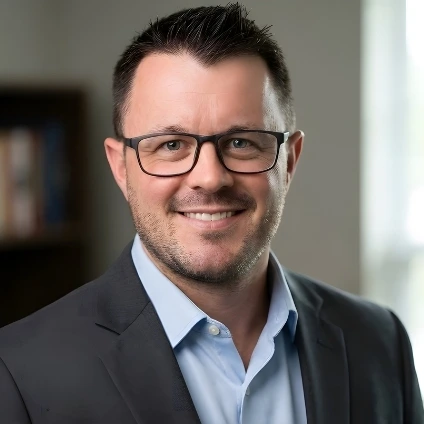
Below, our nurse practitioner Evan — who specializes in treating low testosterone in Nevada — walks through the most common questions men ask before and during treatment.
Can I Get Off TRT Once I Start?
Yes — and it’s something we actively plan for.
This is one of the most common questions we receive at our Reno men’s health clinic, and the short answer is that stopping TRT is absolutely possible for many men. During your initial consultation (which runs about an hour for this exact reason), we review your natural testosterone production and the underlying causes of your low levels.
Throughout your follow-ups, we’re always asking: Is the treatment working? How do you feel? If TRT stops serving you, we either adjust your protocol or guide you off treatment safely using medications designed to jumpstart your natural production — followed by labs to verify your levels have returned.
Here’s the important nuance: your pre-treatment labs set the ceiling. If your body wasn’t producing adequate testosterone despite the right hormonal signals before you started, coming off may not be a viable long-term option. That’s exactly why comprehensive lab work before starting TRT in Reno is so critical — it gives us the data to answer that question with certainty, not guesswork.
Will TRT Affect My Fertility?
Yes — testosterone can reduce sperm production. But that doesn’t mean you have to choose between feeling your best and starting a family.
If fatherhood is a priority now or in the future, we build a protocol that protects it. That may include medications like hCG (human chorionic gonadotropin) to maintain and restore sperm production, along with periodic semen analysis to track changes over time.
This is exactly why Men’s Health Co. doesn’t run a one-size-fits-all TRT clinic in Reno. Your protocol is your protocol — tailored to your goals, your timeline, and what matters most to you. Whether you’re starting a family, building a legacy, or both, you shouldn’t have to sacrifice long-term possibilities just to feel better today.
How Long Does It Take for TRT to Start Working?
We’re not chasing a quick fix. We’re rebuilding a foundation. Here’s what the typical timeline looks like for men starting TRT in Reno:
- Weeks 2–4: Most men notice early improvements — sharper mental focus, increased drive, and better sleep quality.
- Months 2–3: Your system recalibrates. This becomes your new normal. This is when we start hearing, “I haven’t felt this way in years” or “I feel amazing.”
- Month 12+: With consistency, you’ll see real body composition changes, stronger recovery, and deeper cardiovascular benefits.
When your hormones are optimized and you’re putting in the work, you dictate the limit. We’re just proud to be along for the ride.
Does TRT Cause Gynecomastia (Breast Tissue Growth)?
No — not if your protocol is done correctly.
Gynecomastia is typically the result of poor dosing protocols or the unnecessary use of estrogen blockers — not TRT itself. In fact, healthy testosterone levels are what prevent breast tissue growth.
That said, some men arrive at our Reno clinic with pre-existing gynecomastia, and a temporary hormone shift during early TRT can occasionally flare it up. We can manage that with short-term medications. For most men, however, proper protocol management prevents this from being an issue at all.
It’s also worth noting: 5–10% of men experience mild nipple sensitivity when starting TRT. This is not the same as developing breast tissue. It’s usually short-lived and resolves within a few weeks as your hormones stabilize. Unsettling? Possibly. Something to panic about? No.
Will TRT Make Me Go Bald?
TRT doesn’t cause baldness — but if you’re already genetically predisposed to hair loss (androgenic alopecia), it can accelerate that process.
We assess your hair loss risk upfront during your intake at our Reno men’s health clinic. If protecting your hair is a priority, we can incorporate supportive treatments into your protocol so you stay optimized without sacrificing your confidence.
Do I Need to Donate Blood on TRT?
Not usually. Testosterone does increase red blood cell production — and that’s actually one of its benefits, not a side effect. However, for men with compounding factors like untreated sleep apnea or smoking, closer monitoring may be warranted.
At every follow-up, we track your red blood cell count, hematocrit, and cell shape. If your levels trend upward, the solution is often as simple as adjusting your dose or delivery method. In some cases, a nutritional deficiency is the culprit — and that’s easily corrected with targeted supplementation.
Can I Fix Low Testosterone Without Starting TRT?
In some cases, yes — and we always explore this first.
If your testosterone is low due to chronic stress, poor sleep, excess body fat, or nutritional deficiencies, we can build a protocol that supports your body’s natural production. That might include targeted supplements, dietary changes, or medications that stimulate your own system.
But here’s the reality: for many men, the problem isn’t their environment. It’s the factory. When the body can’t produce testosterone despite the right signals, no lifestyle intervention will fix that. The factory simply isn’t responding.
This is why lab work is our first step — always. We measure total testosterone, free testosterone, luteinizing hormone (LH), sex hormone binding globulin (SHBG), and more to pinpoint exactly where the breakdown is occurring.
If you can produce testosterone naturally, we’ll help you do it. If you can’t, we offer the right solution safely — with a long-term plan in place.
Why Is My Testosterone Low in the First Place?
There’s rarely a single cause — and that’s exactly why so many men go undiagnosed for years.
Testosterone can decline due to:
- Chronic stress
- Poor sleep quality
- Environmental toxin exposure
- Excess body fat
- Nutritional deficiencies
- Natural aging
Age isn’t inherently the problem. The problem is when levels drop faster or earlier than they should. And most men are told their levels are “normal” by providers who never checked an SHBG or a luteinizing hormone — the markers that actually explain the why.
At Men’s Health Co. in Reno, we take a comprehensive, upstream approach. We identify the root cause first, then build a data-driven plan — not a guess — tailored specifically to you. Because when you know why your testosterone is low, you can treat it the right way and get back to performing at your peak.
Ready to Get Your Questions Answered in Person?
If you’re a man in Reno, Sparks, Carson City, or anywhere in Northern Nevada dealing with fatigue, brain fog, low libido, poor sleep, or difficulty building muscle, you don’t have to keep guessing.
At Men’s Health Co., we have experts ready to help you find real answers — backed by real data.
- 📺 Subscribe to our YouTube channel for ongoing education
- 🌐 Visit our website’s free Knowledge Hub for resources on hormone optimization
- 📞 Schedule a free 15-minute discovery call and take the first step toward peak performance
📍 Serving Reno, Sparks, Carson City & Northern Nevada