
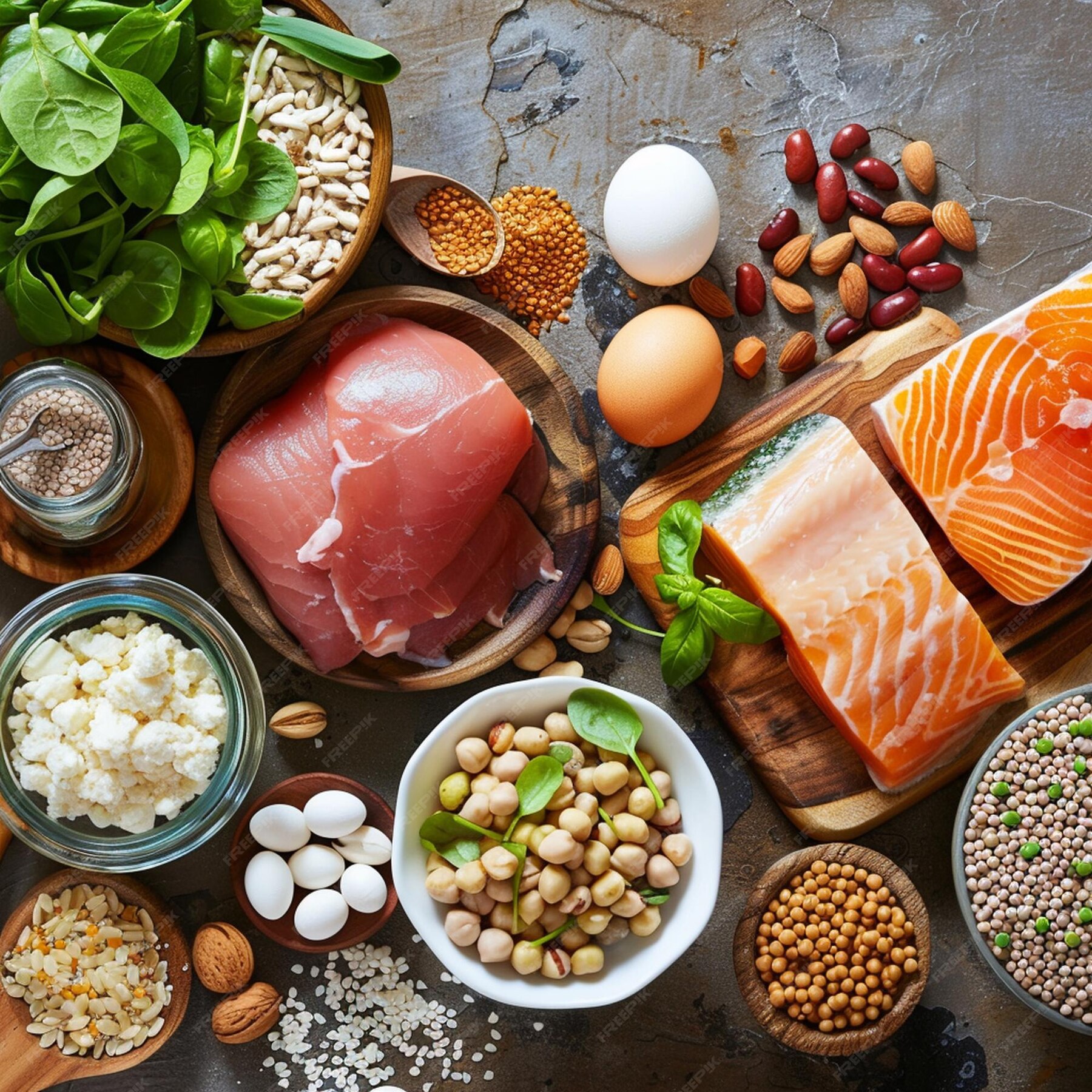
Testosterone Boosting Foods and Supplements
The quality of the foods, supplements, and other products you consume directly impacts your health. To optimize your hormone levels and overall well-being, focus on a balanced diet rich in nutrient-dense, natural foods that align with human biology. Making mindful food choices over convenient ones is key to achieving long-term health.
It’s important to approach dietary changes gradually. Jumping into overly strict diets too quickly can lead to burnout and relapse into unhealthy eating habits. Instead, reframe the way you view your choices: focus on rewarding your body with optimal nutrition rather than punishing it by eliminating certain foods.
This post will guide you through three key areas:
-
- The best foods to eat
- Foods to avoid
- Supplements that can optimize testosterone levels.
Remember, obtaining nutrients from whole foods is ideal, but supplements can help fill in gaps when needed.
The Best Foods for Testosterone Production
Fats
Healthy fats are essential for testosterone production, as unsaturated fats and cholesterol serve as precursors to testosterone synthesis. Incorporate these healthy fat sources into your diet:
-
- Avocado: Rich in monounsaturated fats, vitamins, and minerals.
- Coconut Oil: Contains medium-chain triglycerides (MCTs) that provide quick energy and support hormone production.
- Egg Yolks: High in cholesterol, which is essential for testosterone production.
- Quality Dark Chocolate: Contains healthy fats, antioxidants, and minerals like magnesium, supporting overall health.
- Wild-Caught Fish: Provides omega-3 fatty acids, which are crucial for heart and hormone health.
- Grass-Fed Animal Products: Sources like bone marrow, milk, butter, and ghee offer nutrient-dense fats and vitamins.
Protein
Protein is vital for muscle growth, repair, and hormone regulation. The best sources include:
-
- Ruminant Meats: Beef, lamb, elk, bison, and venison are rich in protein, zinc, and vitamin D3, which support testosterone production. Opt for grass-fed options to avoid the downsides of grain-fed animals.
- Eggs: A powerhouse of protein, healthy fats, selenium, and cholesterol, essential for hormone synthesis. Choose organic, pasture-raised eggs for higher nutrient content.
- Pastured Poultry: Avoid conventional poultry due to antibiotics and hormones. Instead, select pastured poultry for a cleaner protein source.
- Wild-Caught Fish: These are free of the toxins often found in farmed fish, making them a superior choice for healthy protein and fats.
Carbohydrates
While carbohydrates are often debated, they remain essential for optimal health when sourced correctly:
-
- Organic Fruits and Sweet Potatoes: Provide natural sugars, fiber, and vitamins.
- Raw Honey and Maple Syrup: Natural sweeteners rich in antioxidants and minerals.
- Milk and Cheese: Provide calcium, vitamin D, and protein, supporting bone and hormone health.
- White Rice: A well-tolerated grain that provides a good balance of carbs without digestive irritants.
Nutrient Powerhouses
-
- Oysters: A fantastic source of zinc, a mineral critical for testosterone production and sexual health.
- Mineral Salts: Redmond Real Salt or Celtic Salt provides essential minerals like magnesium and potassium, which are key for muscle and nerve function.
- Organ Meats: Liver, kidney, and heart are nutrient-dense, offering vitamins A, B, iron, and zinc to support testosterone production.
Vegetables
Vegetables can be beneficial for many but may not suit everyone due to potential digestive irritants. Cooking vegetables can help reduce defense chemicals that some individuals find problematic.
Foods to Avoid for Optimal Testosterone Production
Avoid or limit foods that negatively impact testosterone levels and overall health:
-
- Processed and Refined Foods: High in sugars and unhealthy oils, leading to inflammation and insulin resistance.
- Seed Oils: Soybean, corn, canola, sunflower, and safflower oils are high in omega-6 fatty acids and can cause inflammation. Avoid these whenever possible.
- Trans Fats: Found in hydrogenated oils, these fats are detrimental to heart and hormone health.
- Alcohol: Excessive consumption can suppress testosterone production. Limit intake to maintain hormonal balance.
- Soy Products: Contain phytoestrogens that mimic estrogen and can disrupt hormonal balance.
- Highly Processed Meats: Sausages, hot dogs, and deli meats often contain harmful additives and preservatives.
- Excess Caffeine: High caffeine intake can elevate cortisol levels, negatively impacting testosterone. Limit consumption and avoid caffeine in the morning while adenosine clears out.
- High-Sodium Foods: Processed foods with added sodium can affect blood pressure and hormone regulation.
The Best Supplements for Testosterone Production
While whole foods should be your primary source of nutrients, supplements can help bridge the gap, especially if deficiencies are detected. Always consult a healthcare provider and get blood tests before beginning any supplement regimen.
-
- Desiccated Organs: Supplements like Heart and Soil offer grass-fed organ capsules packed with vitamins and minerals that support hormone production.
- Vitamin B Complex: Essential for testosterone synthesis and estrogen suppression, particularly B2 and B6.
- Vitamin D: Supports bone health, cardiovascular wellness, and hormone production. Combine with K2 for optimal absorption and effectiveness.
- Magnesium: Promotes muscle recovery, stress reduction, and increased testosterone, especially beneficial for active individuals.
- Zinc: A key mineral for testosterone synthesis and immune function.
- D-Aspartic Acid: Stimulates luteinizing hormone, which signals the testes to produce more testosterone.
- Ashwagandha: An adaptogen that reduces cortisol and promotes better sleep, shown to increase testosterone levels.
Conclusion
The foods and supplements you choose play a significant role in your testosterone levels and overall health. By prioritizing nutrient-dense, high-quality options and avoiding problematic foods, you can naturally optimize your hormone levels and support your body’s performance, vitality, and well-being.