
Low Testosterone Symptoms in Men
Medically reviewed by Evan Fox, NP
Last updated August 2026

Low testosterone rarely announces itself. There is no single moment where something breaks.
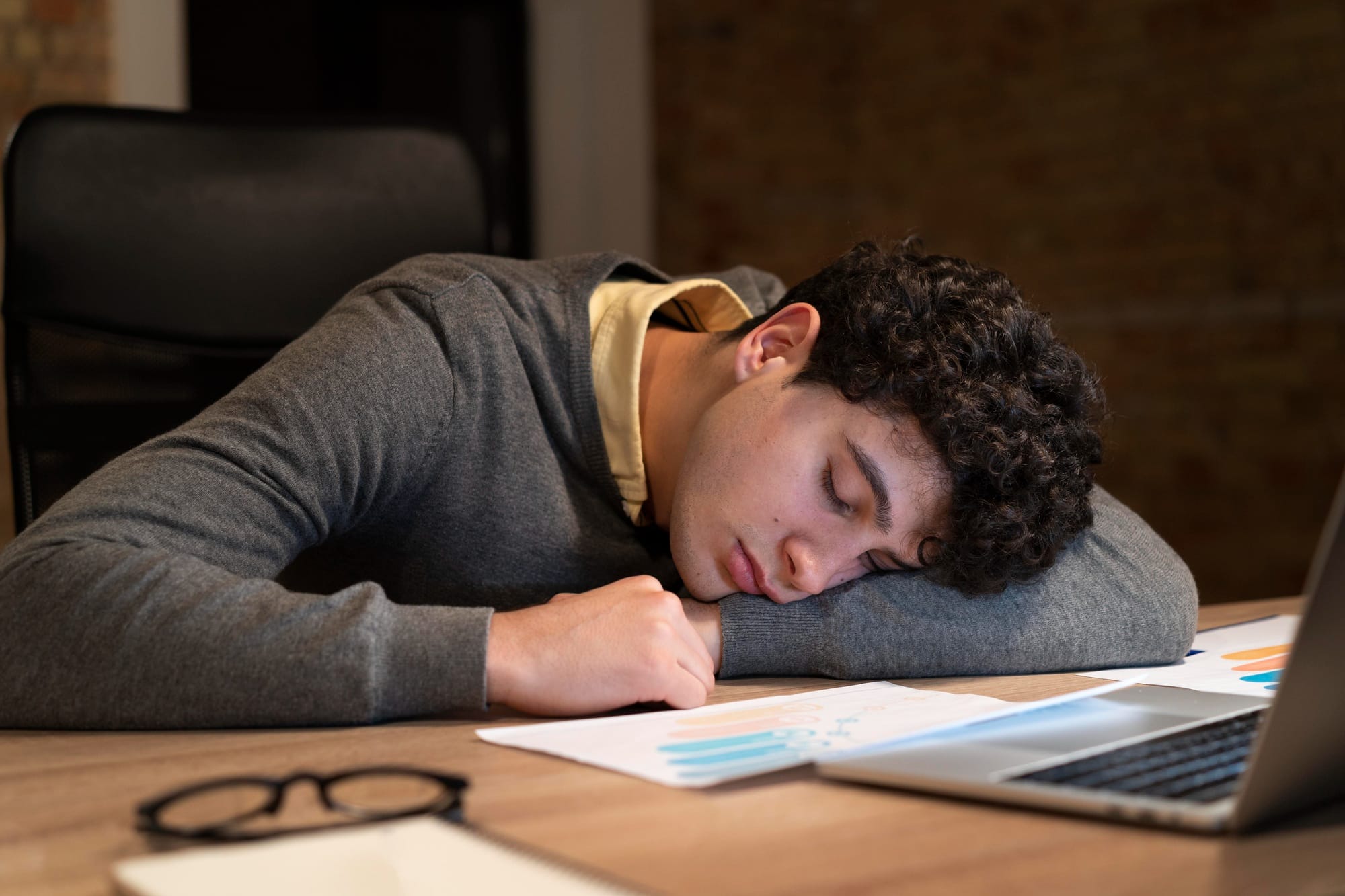
What happens instead is gradual. Workouts stop producing results. You are tired in a way that sleep does not fix. Your patience is shorter than it used to be. Sex is less interesting. The middle thickens despite nothing changing about your diet. Each of those things has an easy explanation on its own, so they get explained away one at a time.
The pattern only becomes obvious when you look at all of it together.
That is what this checklist is for. Not to diagnose you, which no article can do, but to help you see whether what you have been chalking up to work stress and getting older actually forms a recognizable picture worth testing
Quick Answer
The most common symptoms of low testosterone in men are:
- Persistent fatigue that rest does not resolve
- Reduced libido and sexual interest
- Erectile difficulty and fewer morning erections
- Loss of muscle mass despite training
- Increased body fat, especially abdominal
- Brain fog and poor concentration
- Low motivation and drive
- Irritability, low mood, or anxiety
- Poor sleep quality
- Slower recovery after exercise
Most men experience several of these together rather than one alone. That clustering is the meaningful signal.
When to get tested: if you have multiple symptoms persisting beyond a few weeks, particularly sexual symptoms combined with fatigue and mood changes. Diagnosis requires at least two morning blood tests plus supporting labs, since symptoms alone are not enough and neither is a number alone.
Important: these symptoms overlap heavily with thyroid dysfunction, sleep apnea, depression, anemia, and medication side effects. That is a reason to get properly evaluated rather than to self-diagnose in either direction.
What Does Low Testosterone Feel Like?
This page is educational and is not a diagnosis. Only a licensed provider reviewing your labs and history can tell you where you stand.
What Does Low Testosterone Feel Like?
Men describe it in remarkably consistent terms once they have language for it.
“I’m doing everything I used to do and getting nothing back.”
“I’m tired all the time, but it’s not the kind of tired sleep fixes.”
“I just don’t care about things I used to care about.”
“My wife noticed before I did.”
The common thread is a loss of capacity. Not illness exactly, more a reduction in what you have available. Effort produces less result. Recovery takes longer. Motivation that used to be automatic now requires deliberate summoning.
Why it gets missed for so long. The onset is slow enough that each stage feels like the new normal. Men attribute it to age, work, stress, or family demands, and every one of those explanations is plausible. A five minute appointment often ends with “you’re in the normal range” and no further investigation.
Age is not an explanation on its own. Testosterone declines around 1 percent per year after 30, which does not account for a 35 year old who feels like a different person than he did at 30. When the decline is steeper than that, something else is usually driving it, and that something is often correctable.
Physical Symptoms Checklist
Check every one that describes you consistently over the past several months.
Fatigue Persistent tiredness not explained by workload or sleep. Energy that does not return after a good night’s rest or a weekend off. Needing caffeine to function rather than to enjoy it.
Weight gain Increased body fat, particularly around the abdomen, without a corresponding change in diet or activity. Fat that resists the approaches that used to work.
Muscle loss Reduced muscle mass and visible loss of definition. Strength declining despite consistent training. Progressive overload that no longer produces progress.
Recovery issues Longer soreness after workouts. Needing more rest days. Feeling beaten up by sessions you used to handle comfortably.
Reduced strength Lifts stalling or regressing. Reduced work capacity and endurance. Physical tasks feeling harder than they used to.
Additional physical signs
- Reduced facial or body hair growth
- Decreased bone density, sometimes discovered after a fracture
- Increased breast tissue sensitivity or enlargement
- Reduced testicular size
- Hot flashes, which are less common but do occur
- Anemia
Sexual Symptoms Checklist
These are among the most specific indicators of low testosterone, and among the least likely to be raised in a routine appointment. Raise them.
Low libido Reduced interest in sex. Not thinking about it the way you used to. Sex feeling like something to get around to rather than something you want.
Erectile dysfunction Difficulty achieving or maintaining an erection. Softer erections. Note that erectile function depends heavily on vascular health as well as hormones, so ED alone does not confirm low testosterone. It warrants a full evaluation, including cardiovascular assessment, because ED can be an early indicator of vascular disease.
Reduced morning erections This one is diagnostically useful. Spontaneous morning erections are a reasonable indicator of both hormonal and vascular function. A clear reduction in frequency is worth mentioning specifically.
Other sexual symptoms
- Reduced ejaculate volume
- Longer refractory period
- Diminished orgasm intensity
- Reduced spontaneous arousal
One thing worth saying plainly. Men underreport these symptoms consistently, which delays diagnosis. Your provider has heard all of it. Being direct is what gets you a correct answer.
Mental and Emotional Symptoms Checklist
Frequently the symptoms that affect quality of life most, and the ones least often connected to hormones.
Brain fog: Difficulty concentrating. Losing your thread mid-sentence. Word-finding problems. Tasks requiring sustained focus feeling disproportionately hard.
Motivation issues: Loss of drive and initiative. Difficulty starting things. Projects and ambitions that used to energize you now feeling like obligations.
Irritability: A shorter fuse. Snapping at people over things that would not previously have registered. Reduced frustration tolerance.
Anxiety: Increased worry, restlessness, or a general sense of unease without an obvious trigger.
Low confidence: Reduced self-assurance. Feeling diminished. Avoiding situations you would previously have handled without thought.
Also common
- Low mood or symptoms overlapping with depression
- Emotional flatness or reduced enjoyment
- Reduced competitive drive
- Social withdrawal
An important caution. These symptoms overlap substantially with clinical depression, and the relationship runs in both directions. Low testosterone can contribute to depressive symptoms, and depression can suppress testosterone. If you are experiencing persistent low mood, hopelessness, or thoughts of harming yourself, please speak to a doctor or mental health professional. A hormone panel is worth running, and it is not a substitute for mental health care.
Sleep-Related Symptoms
Sleep and testosterone are tightly linked, and the relationship compounds in both directions.
Why it matters. A large share of your daily testosterone release occurs during sleep, particularly deep and REM stages. Disrupt sleep, and you suppress production. Suppress production and sleep quality degrades further.
Symptoms to check:
- Difficulty falling asleep
- Frequent waking through the night
- Waking unrefreshed regardless of hours slept
- Insomnia
- Excessive daytime sleepiness
- Night sweats
Sleep apnea deserves its own paragraph. Obstructive sleep apnea is strongly associated with low testosterone and is significantly underdiagnosed in men. It also independently raises hematocrit, which matters if you go on to start TRT. If you snore heavily, wake gasping, have been told you stop breathing, wake with headaches, or feel exhausted despite adequate sleep hours, get evaluated for sleep apnea. Treating it can raise testosterone meaningfully on its own and improve cardiovascular health at the same time.
The practical implication. Sleep should be assessed before concluding that hormones are the primary problem. A man sleeping five hours a night with untreated apnea may not need testosterone therapy. He may need his sleep fixed.
Symptoms Often Overlooked
- The ones men rarely connect to hormones, and providers rarely ask about.
- Reduced height or postural change. Loss of bone density over years can produce vertebral compression.
- Joint aches. Testosterone influences connective tissue and inflammation. Diffuse joint discomfort without an injury is sometimes part of the picture.
- Increased sensitivity to cold. Reduced metabolic rate and muscle mass affect thermoregulation.
- Dry skin and thinning skin. Testosterone affects skin thickness and oil production.
- Reduced sweating during exercise.
- Elevated cholesterol or worsening lipid panel. Low testosterone is associated with unfavorable lipid changes.
- Rising HbA1c or new insulin resistance. Low testosterone and metabolic dysfunction travel together and reinforce each other.
- Increased injury frequency. Reduced muscle mass and connective tissue quality mean more strains and slower recovery.
- Changes noticed by others before you. Partners frequently observe the mood and drive changes first. If someone close to you has commented, that is worth weighing.
- Loss of competitive drive. Not caring about outcomes you used to care about. This is often described as a personality change and is rarely connected to hormones without prompting.
When Symptoms Warrant Hormone Testing
Testing is reasonable if any of the following apply.
- You have multiple symptoms from more than one category above, persisting for several weeks or longer.
- You have sexual symptoms combined with fatigue and mood changes. This particular cluster is the most suggestive combination.
- Your symptoms started or worsened noticeably, rather than developing across decades.
- You have a condition associated with low testosterone, including type 2 diabetes, obesity, metabolic syndrome, sleep apnea, chronic kidney disease, HIV, or osteoporosis.
- You take medications known to affect testosterone, particularly opioids or long-term glucocorticoids.
- You have a relevant medical history, including testicular injury or infection, undescended testes, chemotherapy, radiation, pituitary problems, or previous anabolic steroid use.
- You have been treated for something else without improvement. Men treated for depression or fatigue who do not respond as expected are worth screening for hormonal causes.
- You are simply not performing as you know you can, and want an actual answer rather than a guess.
- When to see a doctor promptly rather than waiting: sudden loss of libido or erectile function, testicular pain or swelling, breast tissue growth or discharge, visual changes with headaches which can indicate a pituitary issue, or symptoms alongside unexplained weight loss.
What Happens During a Hormone Evaluation
Knowing the process removes most of the reason men put this off.
Step 1: Onboarding call, 15 minutes. A brief conversation covering your symptoms, history, and goals, plus how the program works and what it costs. No commitment at this stage.
Step 2: Lab order. We email a lab slip for a facility near you. Draws are done in the morning, ideally fasted, since testosterone peaks early and food affects several markers.
Step 3: Comprehensive bloodwork. Our Elite Hormone Panel covers total testosterone, free testosterone, SHBG, LH, prolactin, complete blood count including hematocrit, comprehensive metabolic panel, PSA where age appropriate, lipids, HbA1c, vitamin D, and iron studies. The panel is designed to answer what your level is, why it is where it is, and what can be corrected.
Step 4: Full consultation, one hour. Not a five minute callback. We go through every result, what each marker means for you, what is driving your symptoms, the treatment options including their risks and trade-offs, fertility considerations, and what monitoring would look like. You leave understanding your own labs.
Step 5: Treatment, if you qualify. If therapy is appropriate, a protocol is built around your labs, symptoms, and goals. Medications and supplies are delivered discreetly to your door.
Step 6: Ongoing monitoring. Follow-up labs at defined intervals with dose adjustments based on results. This is the part that separates real medical care from a prescription mill.
If your labs are normal. Sometimes they are, and that is still a useful outcome. Thyroid dysfunction, sleep apnea, iron deficiency, vitamin D deficiency, high SHBG, and medication effects all produce overlapping symptoms. A comprehensive panel is built to find those too, and we will tell you honestly if testosterone is not your issue.
Frequently Asked Questions
What are the first signs of low testosterone?
Most men notice fatigue, reduced libido, and difficulty making progress with training before anything else. Mood and concentration changes usually follow. The clustering of several symptoms is more meaningful than any single one.
Can a 30 year old have low testosterone?
Yes. Low testosterone in younger men is more common than generally assumed and is often secondary, meaning the pituitary signal is impaired rather than the testes failing. Obesity, sleep apnea, chronic stress, opioid use, and previous anabolic steroid use are frequent contributors, and many are correctable.
How do I know if my symptoms are low testosterone or something else?
You cannot know from symptoms alone, because thyroid dysfunction, sleep apnea, depression, anemia, and medication side effects all overlap. A comprehensive blood panel is the only way to distinguish between them, which is exactly why the panel should cover more than testosterone.
Can low testosterone cause depression?
There is a well-documented association, and the relationship runs both ways. Low testosterone can contribute to depressive symptoms, and depression can suppress testosterone. Both should be assessed. If you are experiencing persistent low mood or thoughts of self-harm, please speak with a doctor or mental health professional.
Does low testosterone cause weight gain?
It contributes. Low testosterone promotes fat accumulation, especially abdominal, and reduces muscle mass, which lowers metabolic rate. Excess body fat then increases conversion of testosterone to estradiol, lowering testosterone further. It is a self-reinforcing cycle that often needs intervention at more than one point.
How long do symptoms take to improve with treatment?
Libido and mood changes often appear within three to six weeks. Energy typically improves within one to two months. Body composition changes take three to six months or longer. Bone density changes take considerably longer.
Can I have symptoms with normal testosterone levels?
Yes. High SHBG can leave free testosterone low while total testosterone reads normal. Reference ranges are also broad, so a result near the bottom prints without a flag. And other conditions produce identical symptoms, which is why a full panel matters.
Should I take an online low testosterone quiz?
Symptom questionnaires are a reasonable starting point for deciding whether to get tested. They are not diagnostic, and they produce both false positives and false negatives. Use one to prompt action, not to reach a conclusion. Our Am I a Candidate quiz is designed to help you decide whether an evaluation makes sense.
Do low testosterone symptoms come and go?
Symptom intensity can fluctuate with sleep, stress, illness, and activity, since testosterone itself fluctuates. Persistent symptoms over weeks matter more than day-to-day variation.
Can stress cause low testosterone?
Yes. Sustained elevated cortisol suppresses the hypothalamic-pituitary signal that drives testosterone production. Chronic stress is a genuine and frequently overlooked contributor
Is erectile dysfunction always caused by low testosterone?
No. ED is frequently vascular, and it can be an early warning sign of cardiovascular disease. It can also stem from medications, psychological factors, or neurological causes. Any man with new ED should be evaluated properly rather than assuming hormones are the cause.
What if I have symptoms but my doctor says my levels are fine?
That is a common experience and a reasonable point to seek a second opinion. Ask whether free testosterone and SHBG were measured, whether the draw was taken in the morning, whether it was repeated, and whether thyroid and metabolic markers were included. If the answer to several of those is no, your evaluation was incomplete.

Stop Guessing. Get Tested.
f you read that checklist and recognized yourself in more than a few items, you deserve an actual answer rather than another year of assuming this is just what your thirties or forties feel like.
Men’s Health Co. is a Nevada-licensed men’s hormone practice in Reno, serving men across the state by secure telehealth. Comprehensive panel, a full hour with a provider, and honest answers even when the answer is that testosterone is not your problem.
Here is how it works:
Book a 15 minute onboarding call
We email you a lab slip for a lab near you
You get your blood drawn
We schedule a full one hour consultation to review your results, discuss risks and benefits, and start treatment if you qualify
Call (775) 540-2100 | Reno, NV | Statewide telehealth