
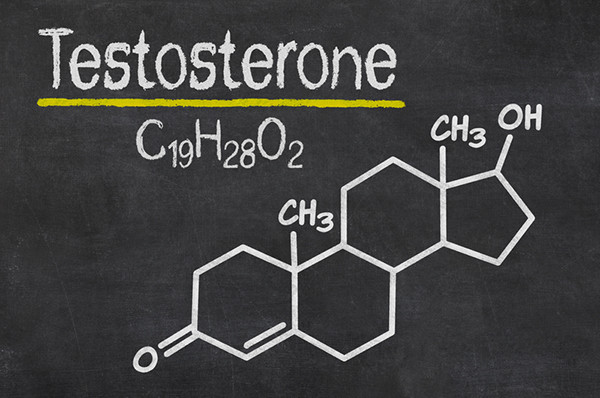
What Is Testosterone?
Testosterone, often referred to as “T,” is responsible for a wide range of bodily functions. It’s much more than a hormone for muscle growth—testosterone plays a crucial role in maintaining overall health, vitality, and well-being. For men striving to excel professionally, stay physically strong, and remain reliable for their families, understanding testosterone’s impact on your life is critical.
Testosterone is involved in:
- Muscular Growth and Strength: Testosterone promotes protein synthesis, leading to increased muscle mass and strength. It also helps with muscle recovery after exercise.
- Bone Density: Essential for maintaining strong bones, testosterone reduces the risk of osteoporosis and fractures.
- Libido and Sexual Function: Testosterone is key for sexual desire (libido) and reproductive health, including sperm production.
- Mood Regulation: Optimal testosterone levels are linked to better mood, energy, and mental well-being. Low levels can result in fatigue, irritability, and depression.
- Fat Distribution: Testosterone helps control fat distribution, promoting a leaner body composition and preventing excess visceral fat accumulation.
- Cardiovascular Health: Testosterone supports heart health by maintaining cholesterol levels and aiding in healthy blood circulation.
- Cognition and Mental Clarity: Higher testosterone levels are associated with improved memory, concentration, and overall cognitive performance.
- Red Blood Cell Production: Testosterone stimulates red blood cell production, crucial for delivering oxygen throughout the body and maintaining energy levels.
- Skin, Hair, and Nails: It promotes healthy skin, strong nails, and hair growth, contributing to overall appearance and functionality.
Factors That Influence Testosterone Levels
Several factors can affect testosterone production, including:
- Age: Testosterone levels naturally decline starting in your late 20s or early 30s, with a drop of about 1-2% per year.
- Lifestyle Choices: Sedentary behavior, obesity, poor diet, and habits like smoking and excessive alcohol consumption can lower testosterone levels.
- Chronic Stress: Persistent stress raises cortisol, a hormone that can suppress testosterone production.
- Medical Conditions and Medications: Conditions like diabetes, obesity, or hormonal imbalances, along with medications such as corticosteroids, may lower testosterone.
Common Signs of Low Testosterone
Recognizing low testosterone is the first step toward regaining control of your health. Common symptoms include:
- Fatigue and Low Energy: Persistent tiredness and lack of motivation.
- Decreased Libido and Sexual Dysfunction: Reduced interest in sex and difficulty with erections.
- Loss of Muscle Mass and Strength: Difficulty maintaining muscle mass and strength.
- Mood Swings and Mental Fog: Irritability, depression, and trouble concentrating.
- Increased Body Fat: A higher percentage of body fat, especially around the waist.
- Decreased Bone Density: Weak bones and an increased risk of fractures.
The Different Types of Testosterone
Most of the testosterone in your body (around 98%) is bound to proteins such as sex hormone-binding globulin (SHBG) and albumin. Only a small portion, called free testosterone, is not bound and is the most biologically active.
Understanding the difference between total testosterone and free testosterone is important for accurately assessing your levels. Some men may have normal total testosterone but still experience symptoms of low T if their free testosterone is low. Always consult with a healthcare provider to measure both and make informed decisions.
The Current Testosterone Crisis
Modern men face a testosterone crisis. In just three generations, average testosterone levels have dropped by up to 50%. From 1999 to 2016, average testosterone levels in American men decreased by 25%, from 605 ng/dL to 451 ng/dL. This isn’t normal—and it’s a growing health concern.
Several factors contribute to this crisis:
- Lifestyle Factors: A sedentary lifestyle, poor diet, stress, and lack of exercise are major contributors.
- Diet and Nutrition: Processed foods, excess sugars, and poor-quality proteins can impair the body’s ability to produce testosterone.
- Environmental Toxins: Pollutants and endocrine-disrupting chemicals (EDCs) in our environment interfere with testosterone production.
- Stress: Chronic stress elevates cortisol, which can suppress testosterone levels.
- Aging Population: As the population ages, age-related declines in testosterone also become a significant factor.
Conclusion
Understanding testosterone is the foundation for optimizing your health, strength, and well-being. In the next chapters, we’ll explore natural and effective ways to boost testosterone levels and combat the decline, helping you take action against this growing health issue.
Every wondered what your Testosterone levels are?
Schedule your appointment today to find out and get back to the best version of yourself!